CLUB CARE

How to clean golf clubs

Two minutes at home and five seconds on the course. The method, the kit list, and what dirty grooves actually cost you.

THE SHORT ANSWER

Wipe every clubface with a damp cloth before it goes back in the bag, every hole. Once a week, soak the irons head-only in warm water with a drop of washing-up liquid for five minutes, scrub along the grooves with a soft bristle brush, rinse and dry completely. Never use a wire brush, never soak past the ferrule, and never leave clubs wet in the bag.

What you need

KITBucket and warm water

Warm, not hot. Deep enough to cover the club head but not the ferrule, where heat can loosen the adhesive.

KITSoft bristle brush

A dedicated brush or an old toothbrush. Nylon only. Steel bristles round off the groove edges that create spin.

KIT400GSM microfibre towel

Enough surface to keep a wet cleaning zone and a dry finishing zone, so you are not smearing by the tenth.

The home method, step by step

Fifteen minutes for a full set, once a week if you play weekly.

  1. Fill the bucket

    Warm water, not hot, deep enough to cover the club head but not the ferrule. A few drops of washing-up liquid or washing-up liquid is plenty.

  2. Soak the irons

    Five minutes, heads only, so the water softens the packed dirt before you touch it. Hot water and long soaks can loosen the ferrule adhesive, so keep both moderate.

  3. Scrub along the grooves

    Work each groove with the soft bristle brush in line with the groove rather than across it. Scrub the sole and back of the head too, then check the face against the light: a clean groove has a visible edge.

  4. Rinse

    Clean water, no soap residue left on the face.

  5. Dry completely

    Dry each club head before it goes back in the bag. Water left sitting where the shaft meets the hosel is what starts rust, and rust at the hosel is not something you clean off later.

What dirty grooves cost you
WHY IT MATTERS

What dirty grooves cost you

A groove on a modern iron is roughly 0.35mm wide. It does not take much compacted soil to fill it. When it does, the ball skids up the face instead of gripping it: spin drops, launch rises, and the shot flies further than expected before running out. That is the flier lie most golfers blame on the rough alone.

Wedges suffer most, because they rely most on friction, and they are the clubs that spend the most time in wet grass and sand.

GROOVE WIDTH0.35MM

The channel on a modern iron. Microfibre at 1 to 4 microns enters it; cotton at 15 to 20 microns bridges across.

THE ROUTINE5SEC

Per club, per hole. Wet section, then dry section, then back in the bag.

Five seconds, every hole
ON THE COURSE

Five seconds, every hole

The routine that works is the one caddies use: clean every club before it goes back in the bag, not when you remember. Wipe the face with the wet section of your towel, then dry it with a dry section. Two passes, five seconds, and the club goes back clean. Do that for eighteen holes and the weekly clean at home becomes a quick one.

That is the entire argument for a two-zone towel. If your towel is saturated on both sides by the tenth, you are smearing rather than cleaning for the rest of the round. A 400GSM waffle microfibre holds roughly twice what a standard towel does, which is what keeps a dry zone available on the back nine.

THE REST OF THE BAG

Woods, putters and grips

Do not soak woods or putters. Wipe the head with a damp cloth and dry immediately, because the crown finish on a driver marks far more easily than an iron and the insert on a putter is often glued rather than cast.

Grips deserve more attention than they get. Wipe them with a damp cloth and a spot of washing-up liquid every few rounds, then dry them properly: a grip left wet stays slick. Clean grips let you hold the club lighter, and grip pressure affects tempo more than most golfers realise. If a grip still feels glazed after cleaning, it is worn rather than dirty, and no amount of scrubbing brings it back.

AVOID

What not to do

No wire brushes on the face. Steel bristles scratch the finish and, over time, round off the sharp groove edges that create spin, which is the exact opposite of what club cleaning is for. No dishwashers: the heat and detergent strip finishes and attack adhesives. No soaking a club past the ferrule. No leaving clubs wet in a bag overnight.

WEDGES AND IRONS

Why wedges need cleaning most

Wedges rely more on friction than any other club in the golf bag, and they spend the most time in wet grass, sand and soft ground. A wedge with packed grooves loses spin first and most noticeably: the ball skids up the face, launches higher and runs out on landing instead of stopping.

Clean the wedges every time and the rest of the set follows naturally, because you are already holding the towel. Irons benefit the same way on full shots, and a quick pass on the sole clears the soil that otherwise dries hard between rounds and takes a proper soak to shift.

BY CLUB TYPE

How to clean golf clubs: irons and wedges, woods and putters

Golf club cleaning is not one job. Irons and wedges take the most dirt and respond best to soapy water and a soft brush along the grooves, because that is where compacted soil kills spin. Fairway woods and drivers need a damp cloth on the club head and nothing more, since the crown finish marks far more easily than an iron. Putters are the same: wipe, dry, done.

Dirty golf clubs cost you distance control before they cost you anything else. Clean clubs give a predictable strike, so club cleaning is worth the fifteen minutes a week it actually takes.

DO NOT SKIP THE GRIPS

Cleaning golf club grips

Grips are the part of your golf clubs you touch on every swing and the part most golfers never clean. Sun cream, sweat and dirt build up gradually, so the grip goes slick without you noticing, and most players blame the grip rather than the film sitting on it.

Use warm soapy water and a cloth, work along the grip, then dry it properly before the clubs go back in the bag. A grip that goes away damp stays tacky for one round and slick for the next ten.

The towel does half the work

Every routine above assumes a towel that still absorbs on the back nine.

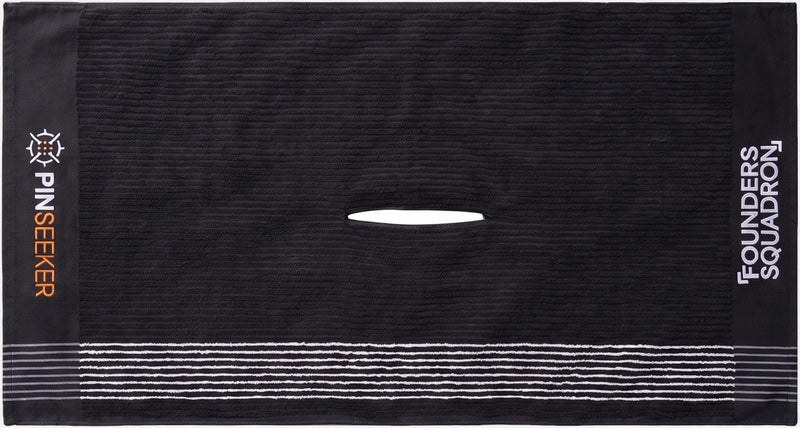
Magnetic Golf Towel
FOR THE BUGGYMagnetic Golf Towel400GSM microfibre, N52 magnet

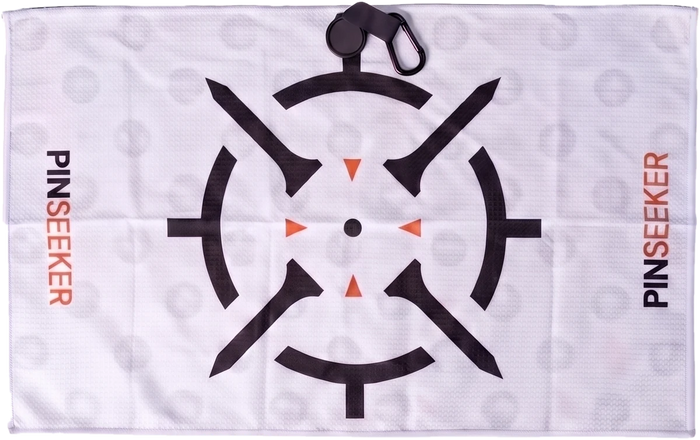
Snaps to the frame and returns to the same spot, so the five-second routine costs nothing.

£21.99Shop Magnetic Towel
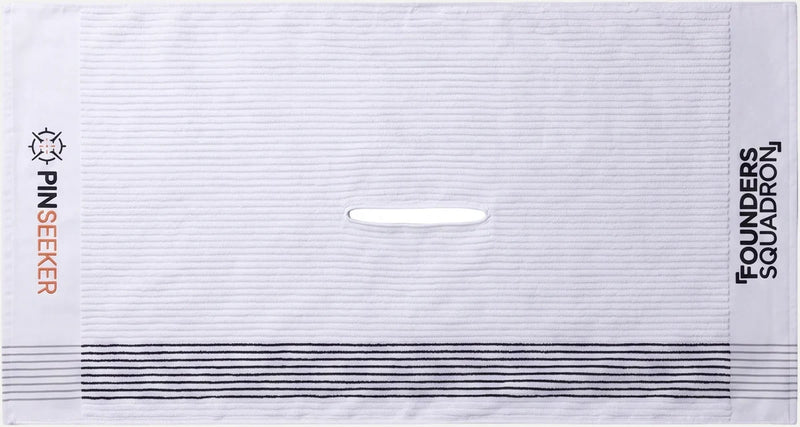
Tour Golf Towel
FOR THE WALKTour Golf Towel400GSM microfibre, 40 x 100cm

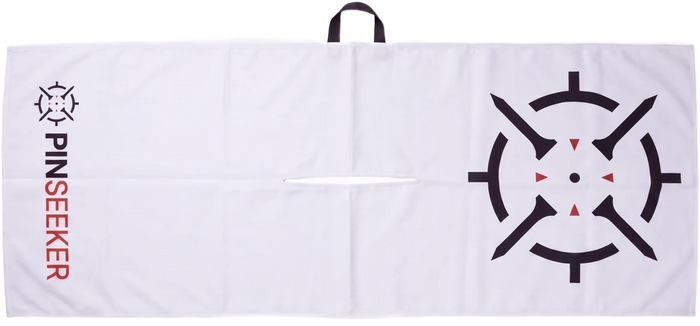
The full metre is what gives you a genuine wet zone and dry zone for all eighteen holes.

£19.99Shop Tour Towel
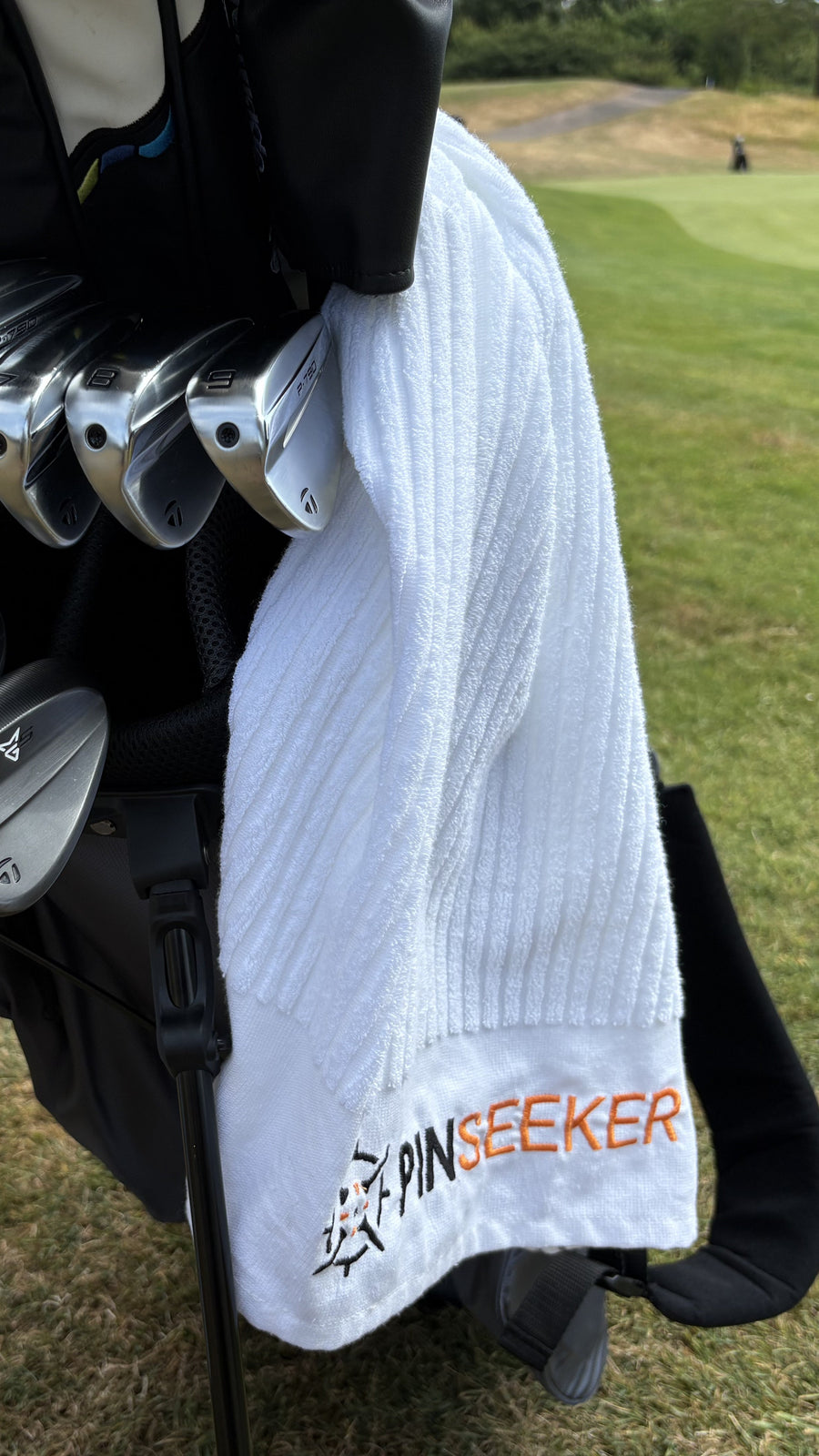
Caddy Golf Towel
FULL COVERAGECaddy Golf Towel550GSM cotton, 55 x 105cm

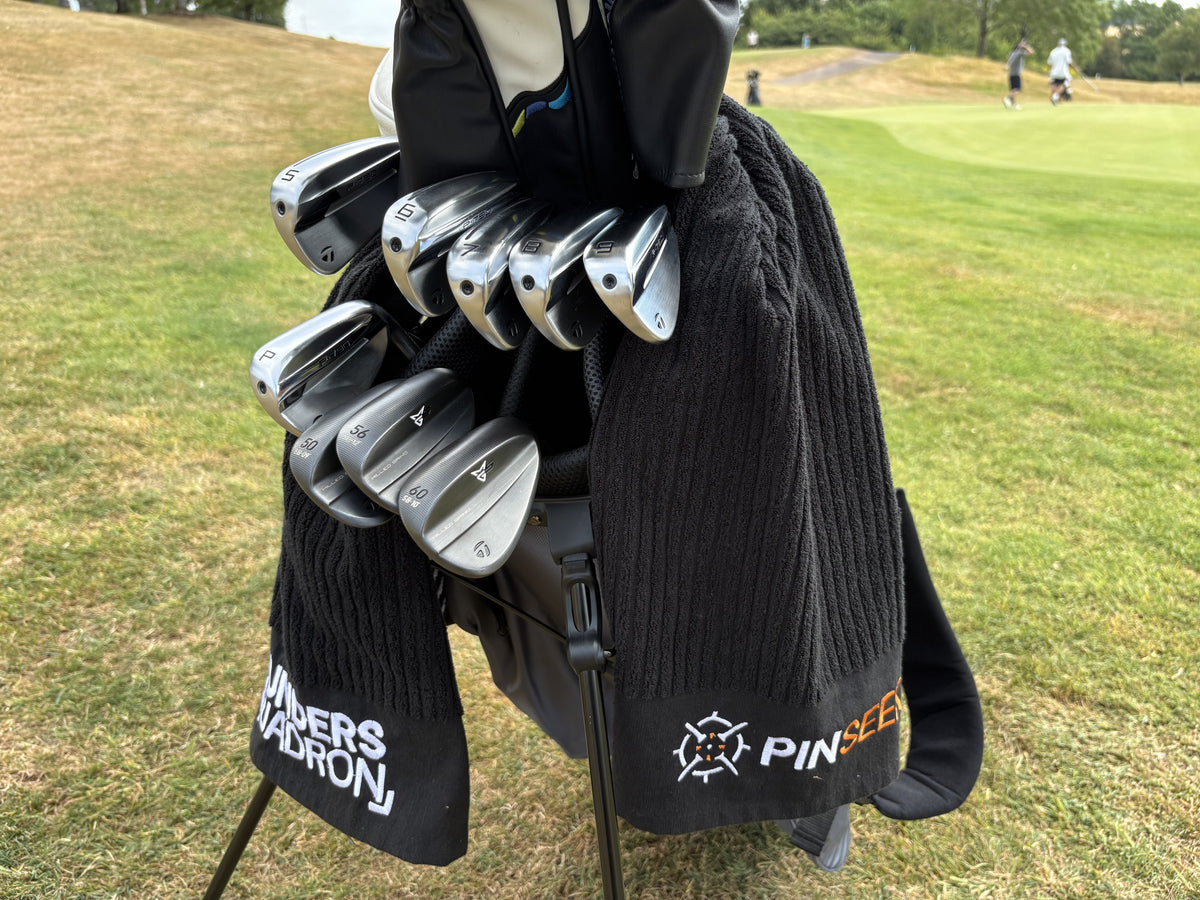
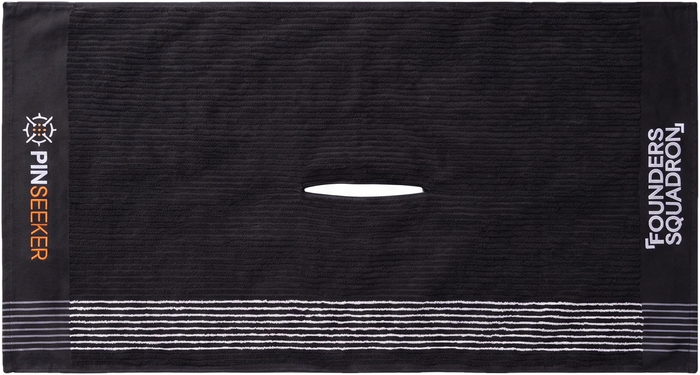
Drapes through the irons, holds the most water, and covers the clubs when the weather turns.

£22.99Shop Caddy Towel

Shop the range

View all

FAQS

How often should I clean my golf clubs?

Wipe the face of every club before it goes back in the bag during a round, and give the set a proper wash at home every week or two depending on how often you play. Wet, muddy rounds need attention sooner.

Can I use washing-up liquid to clean golf clubs?

Yes. Warm water and a small amount of washing-up liquid is the standard method. Avoid hot water and long soaks, both can loosen the ferrule adhesive where the head meets the shaft.

Should I use a wire brush on my clubs?

No. Steel bristles scratch the finish and gradually round off the sharp groove edges that generate spin. Use a soft nylon brush or an old toothbrush, working in line with the grooves.

Do dirty grooves really affect ball flight?

Yes, most noticeably on wedges. Grooves channel grass and moisture away at impact. When they are packed with dirt the ball skids rather than grips, spin drops and the shot flies further than intended before running out.

What is the best towel for cleaning golf clubs?

A 400GSM waffle-weave microfibre towel with enough surface area to keep a wet cleaning zone and a dry finishing zone. Waffle ridges generate friction while the channels trap the debris you lift, so it does not smear back onto the face.

How do I clean golf club grips?

Wipe grips with a damp cloth and a drop of washing-up liquid, then dry them properly before the clubs go away. Grease and sun cream are what make a grip slick, and they build up gradually enough that most golfers blame the grip rather than the dirt. A weekly wipe restores most of the tack without regripping.

Can I put golf clubs in the dishwasher?

No. Dishwasher heat and detergent will strip the finish, dull the head and can loosen the ferrule adhesive where the shaft meets the head. Warm water, washing-up liquid and five minutes of soaking does the same job with none of the risk, and takes about as long to set up.

How do I clean a golf club after a bunker shot?

Sand is abrasive, so rinse rather than rub. Dunk the head in water if there is any nearby, or soak the towel and flood the grooves before you wipe, so the grit lifts away instead of being dragged across the face. Dry the head afterwards, because damp sand left in the grooves sets hard.

Should I clean my clubs during a round or after?

Both, for different reasons. During the round you are protecting the next shot, so a five second wipe of the face before the club goes back in the bag is enough. After the round you are protecting the club, so dry every head properly, especially where the shaft meets the hosel, which is where rust starts.

What is the best way to dry golf clubs?

Dry each head with a towel before it goes back in the bag, not after you get home. Water sitting at the hosel is what causes rust, and a bag left zipped up overnight holds that moisture against the metal. A towel with a dry zone as well as a wet zone makes this a single movement.